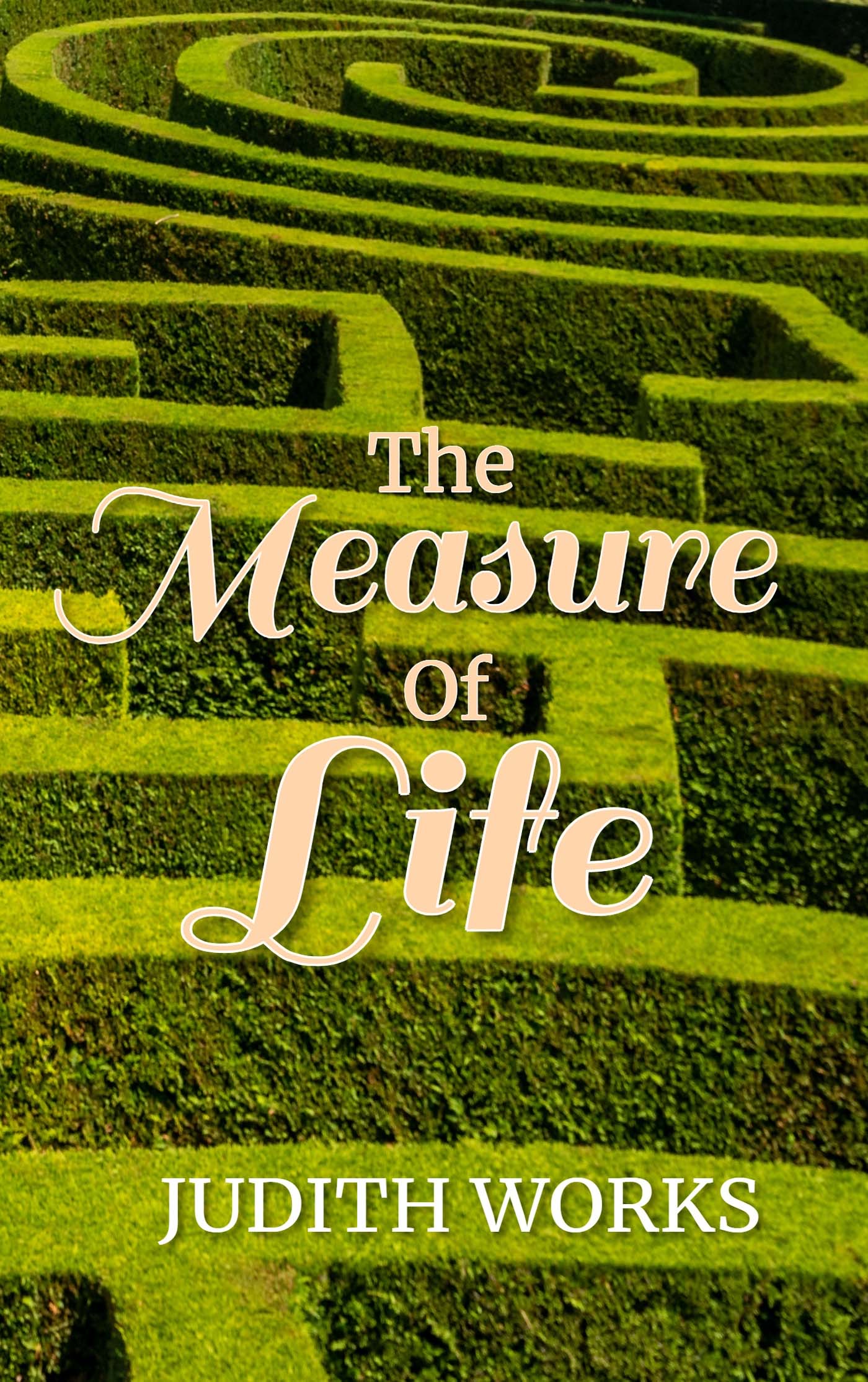
This post is part of a virtual book tour organized by Goddess Fish Promotions. Judith Works will be awarding a $20 Amazon/BN gift card to a randomly drawn winner. Click on the tour banner to see the other stops on the tour.
But where to get information about the history of the time or what objects looked like? Search engines like Google and Bing are obvious places to start with questions like “What were favorite foods in 1950s MidAmerica?” Librarians are always happy to assist with more specialized information or point you to specific websites. Photo sites like Getty can bring settings to life. Wikipedia is a goldmine for information about places and people. Talking with old-timers who lived during the time when your story is set can be informative. For those novels set further back in time, there are groups who re-enact historical events such as Civil War battles or the Napoleonic Wars in Europe to help you picture the era. Old census records, business records, and diaries can be useful; maybe the contents of an attic, a garage sale, the local history museum, or a junk shop will lead you to learn more about how your characters might have lived. Travel to the places mentioned in your story is invaluable to develop a sense of place – climate, architecture, odors, vegetation, and landscape.
It’s important that stories of importance to special interest groups be accurate. I had a friend who was writing about World War II in the Pacific. The type of planes, the armaments, uniforms, geography, and climate needed to be correct. She made a mistake on the model of a fighter and was corrected by readers who pointed out that it was not produced until the following year thus losing credibility. Guns can also be a topic where some readers are only too happy to pounce if there is an error.
For a memoir, sometimes talking with family members can be illuminating, always remembering it is your story to tell. The contrasts from their memories with yours can add to the narrative to highlight emotions or events. For my memoir of Rome, Coins in the Fountain, I asked husband and daughter about their memories of events they’d participated in – it was interesting how they perceived them differently than mine. Sometimes I agreed they were correct, sometimes I ignored their take. I dug out my photos and looked at travel guides to refresh my memory. For my new novel, The Measure of Life, I studied maps of Rome, perused Italian cookbooks and tasted recipes, and looked at pictures of churches on Getty, and for one unusual object, I went to Flickr. I wanted to have my protagonist’s environment portrayed accurately but her reaction to them had to be consistent with her personality.
Remember the results of your research should amplify, not dominate the story: the addition of even a small detail can make a story sing.
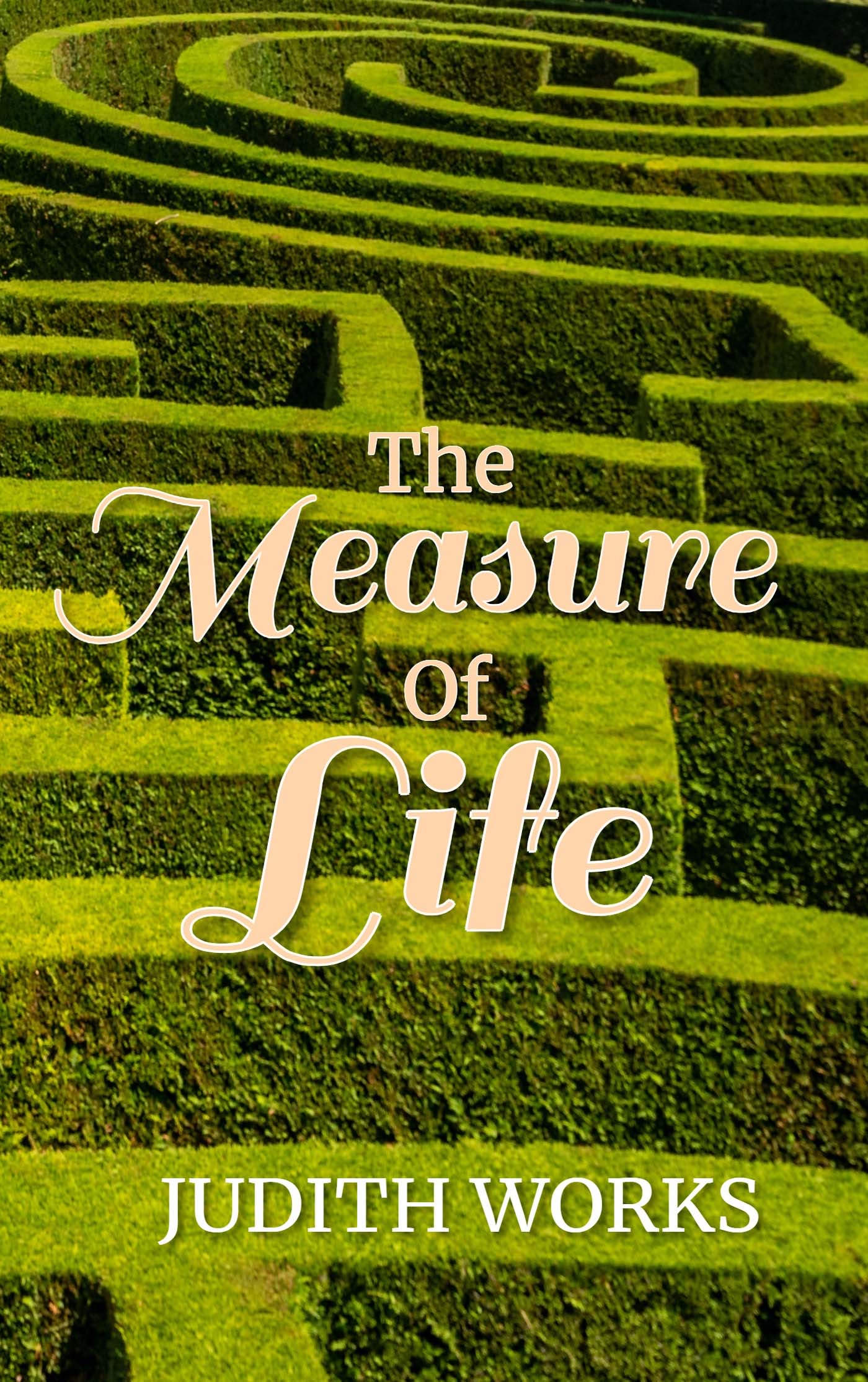
A story of love and loss, lies and truth, begins in Rome when Nicole shares a cappuccino and cornetto with her Italian tutor. The meeting sets off a chain of events that upends the course of her life. While Rome also brings deep friendships and immersion into a sumptuous food scene there is no escape from acknowledging the consequences of her actions. In search of forgiveness and healing, she moves to an island near her childhood home in Seattle only to find the way to reunite the remnants of her family and discover her true path is to return to Rome and face the past.
Enjoy an Excerpt
I read about a new concept called blogging. Intrigued, I studied the process to launch my own blog. After a lot of false starts, I managed to post about the day I bought bread in the bakery Maggie recommended and ended up meeting the old man. I titled it FIAT PANIS (Let There be Bread):
Once upon a time I met an old man out of a fairy tale. He was tiny and perched in a gigantic carved chair where he presided over a treasure trove of books and antiques. And it was the same day I first savored the goodness of real Roman bread. The kind of bread that’s crispy brown on the outside and chewy inside. The kind baked in a wood-fired oven wafting a mouth-watering aroma out the door to compel you to follow the scent back to the bakery where fresh loaves await. I squeezed through the crowd toward the clerk to make my selection while imagining ancient Romans clustered at the baker’s stall—the baker pulling the rounds of whole wheat spiced with poppy and fennel seeds from the hot oven while his wife handed them to house slaves who gossiped about their owners, and matrons who gossiped about the neighbors as they handed over a few coins.
I included colorful photos of the bakery and a loaf of fresh bread on my kitchen table along with frescoes of loaves from the ruins of Pompeii.
About the Author: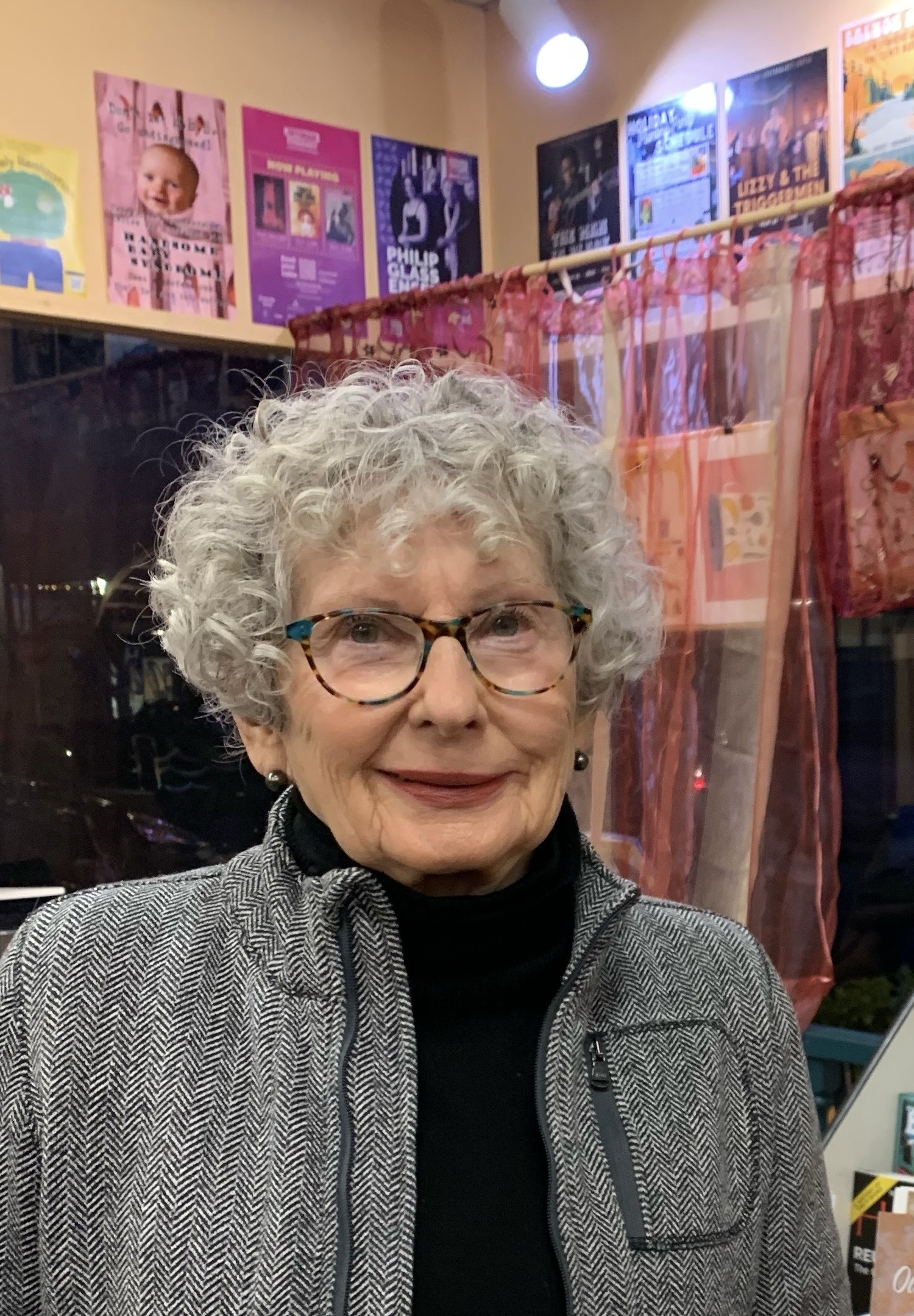 After I earned a law degree in midlife, I had the chance to leave the Forest Service in Oregon and run away to the Circus (Maximus). In reality my husband and I moved to Rome where I worked for the United Nations Food & Agriculture Organization for four years as a legal advisor to the director of human resources. I could see the Circus that had hosted chariot races during the Roman Empire from my office window.
My husband and I reluctantly returned to the US after four years. But we pined for the land of pasta, vino, art, and sunny piazzas. Then the gods smiled and offered a chance to return to Rome with the UN World Food Program. Six more years or food and frolic in the Eternal City passed much too quickly. The indelible experiences living in Italy and working for the UN were the genesis of my memoir Coins in the Fountain.



 ‘Give a helping hand to someone in trouble today and you will be richly rewarded!’
  Toni is Australian-born, considering herself extremely fortunate to have had parents who encouraged her love of books. Seventy years on, she is still an ardent reader.
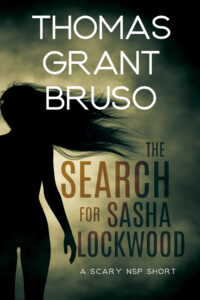 Something is stalking the campgrounds at Pine Hill Creek.
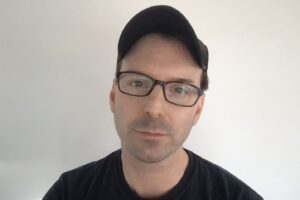 Thomas Grant Bruso knew he wanted to be a writer at an early age. He has been a voracious reader of genre fiction since childhood.
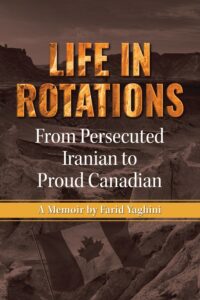 Farid Yaghini’s unforgettable memoir takes you on a journey from escaping persecution in Iran to rebuilding a life in Canada and serving on the frontlines with the Canadian military. Filled with humour, heart, and unflinching honesty, his story of resilience, redemption, and the founding of Camp Aftermath will inspire you to believe in the power of hope and human connection.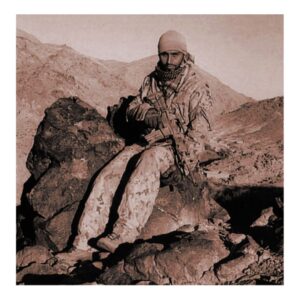
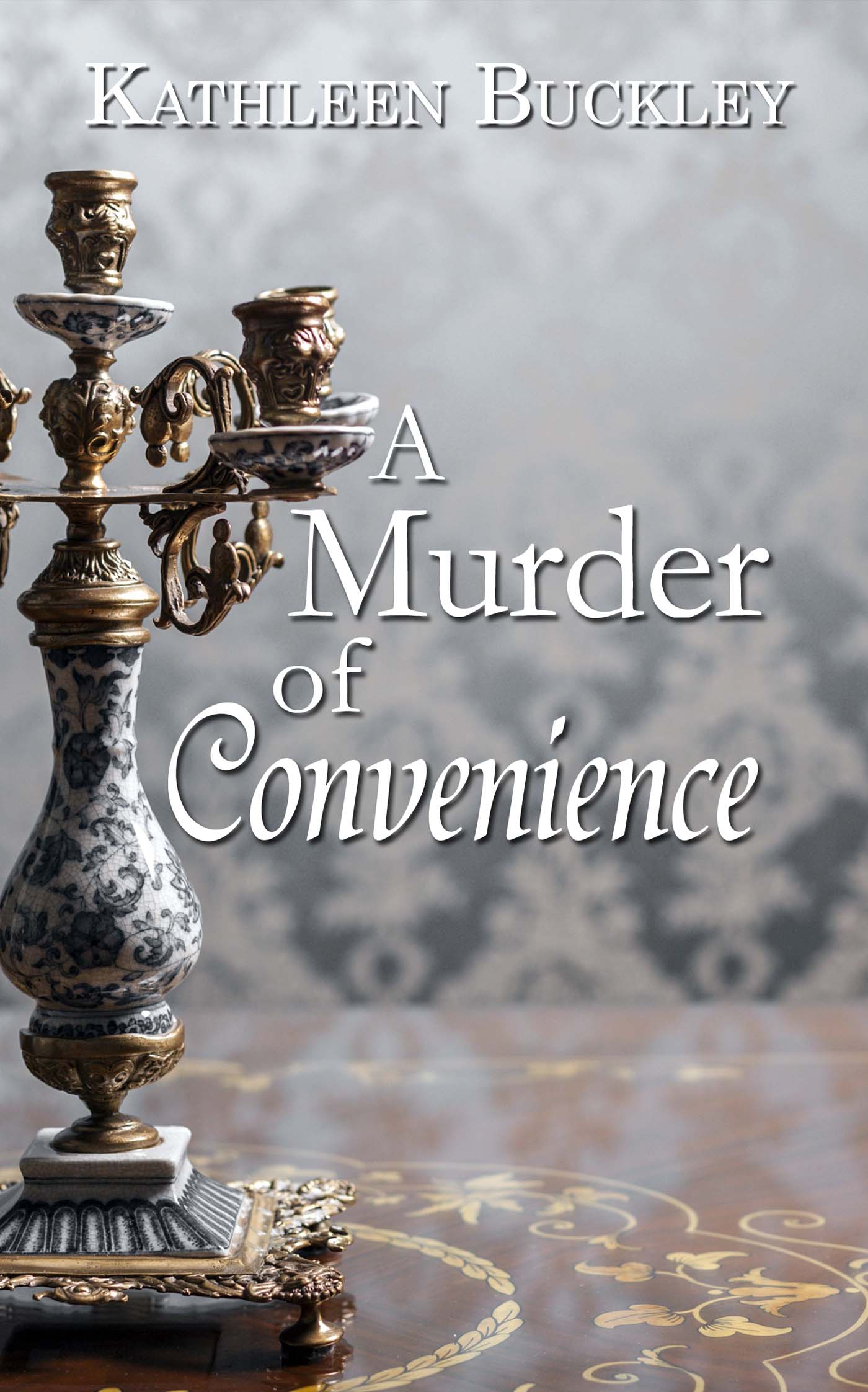
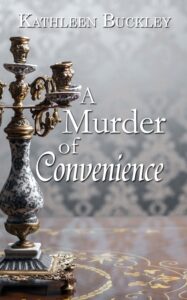 Ellen Cuthbert’s husband, Randolph, is now the Earl of Keswick’s heir. Their marriage is a sham, and Randolph’s mistress, Lydia, is present at the house party. When she is found murdered in a locked room, all the evidence seems to point to Ellen. And how could the murderer have escaped the locked room except by witchcraft? Sir Hugh accompanies his cousin, a magistrate, to the scene of the murder. They investigate, appalled to find their childhood friend Ellen appears to be the chief suspect. Hugh’s lack of prospects years ago prevented their marriage. Now if he cannot find the real murderer, there may be only one final service he can perform for Ellen to spare her a slow death at the end of the hangman’s rope.
 One day after coming home from first grade, Kathleen Buckley set about writing her own dictionary but quickly realized it would take too much time, so she read a book instead. Possibly Space Cat.